Solar System
Jun. 27th, 2018 02:44 pm![[personal profile]](https://www.dreamwidth.org/img/silk/identity/user.png) kavery
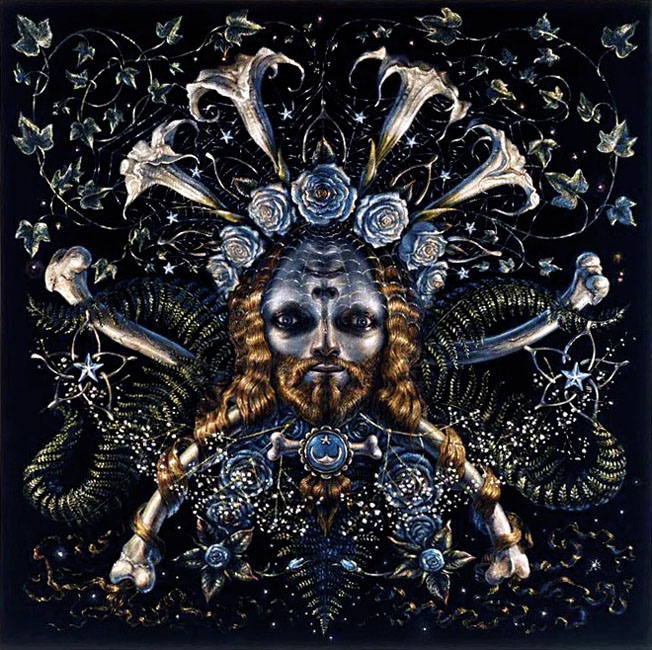
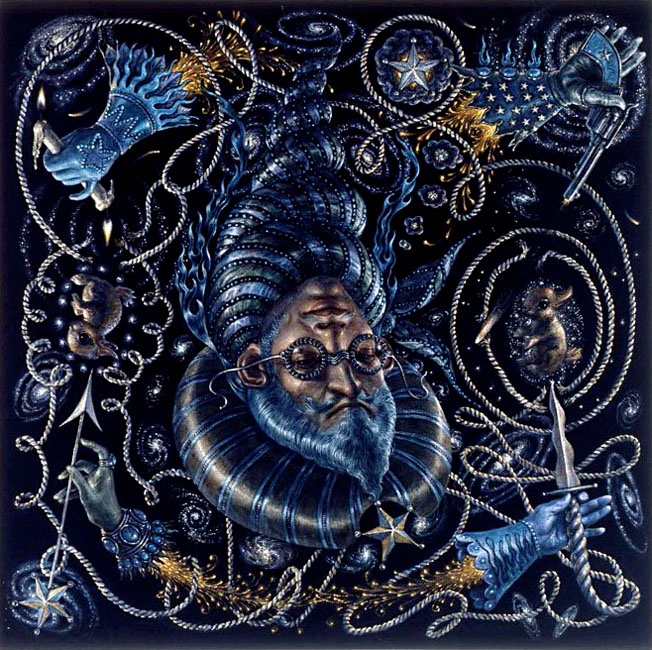
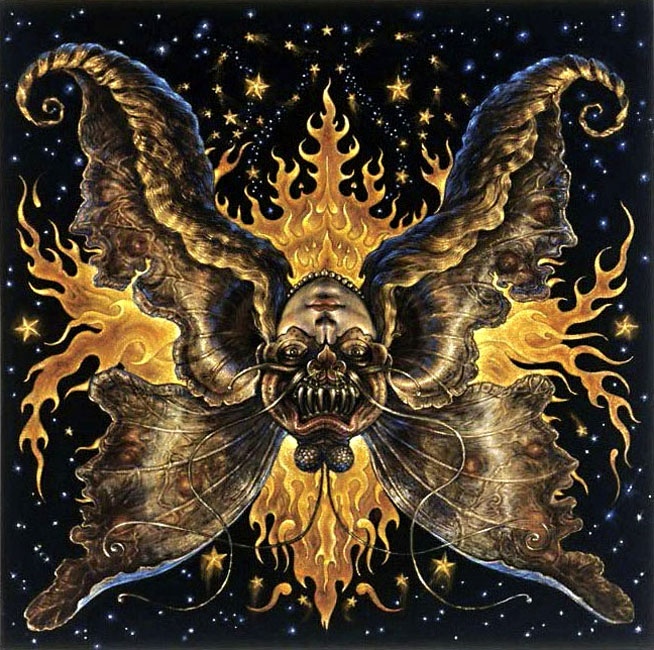
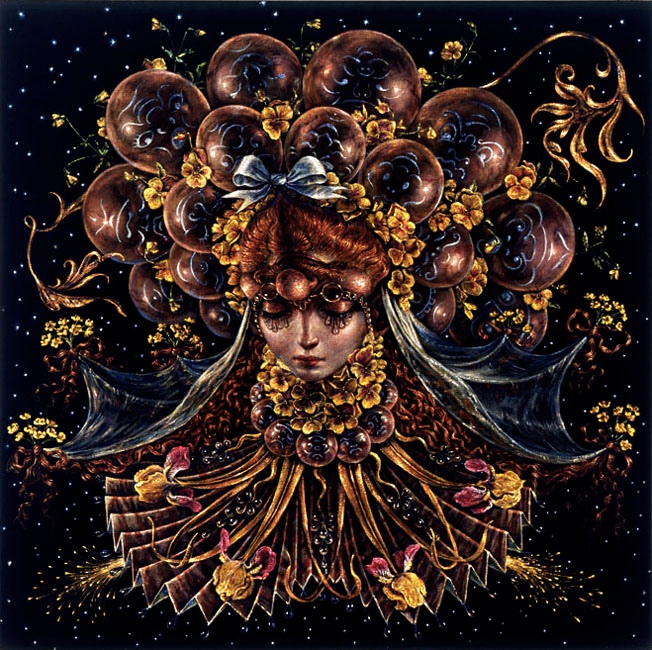
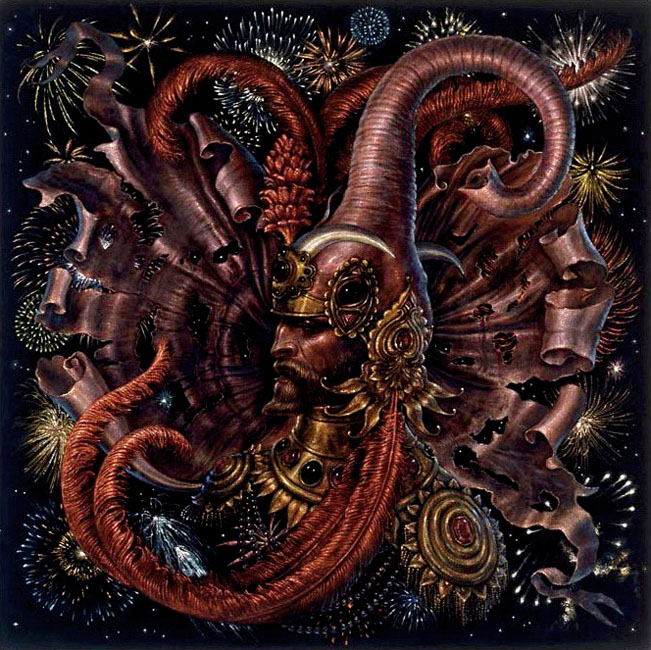
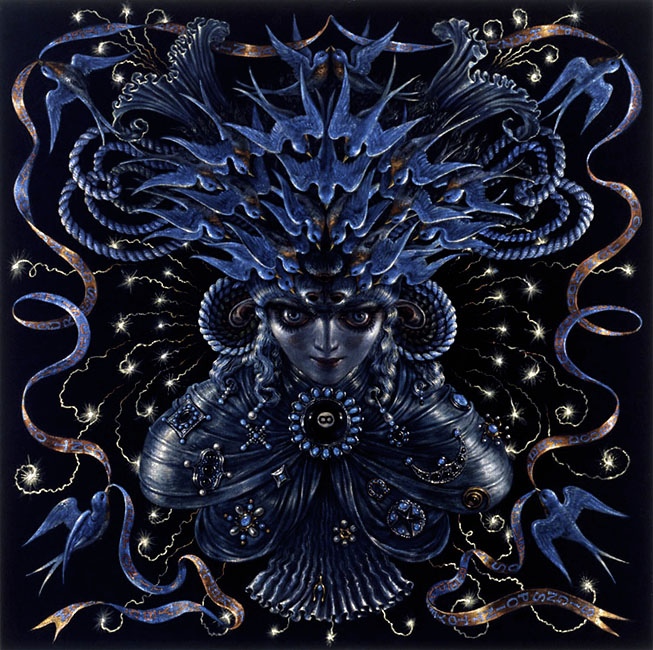
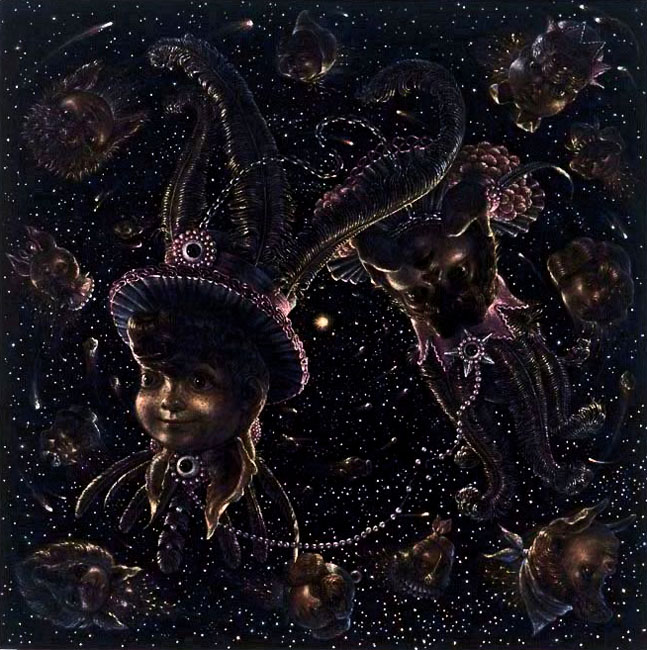
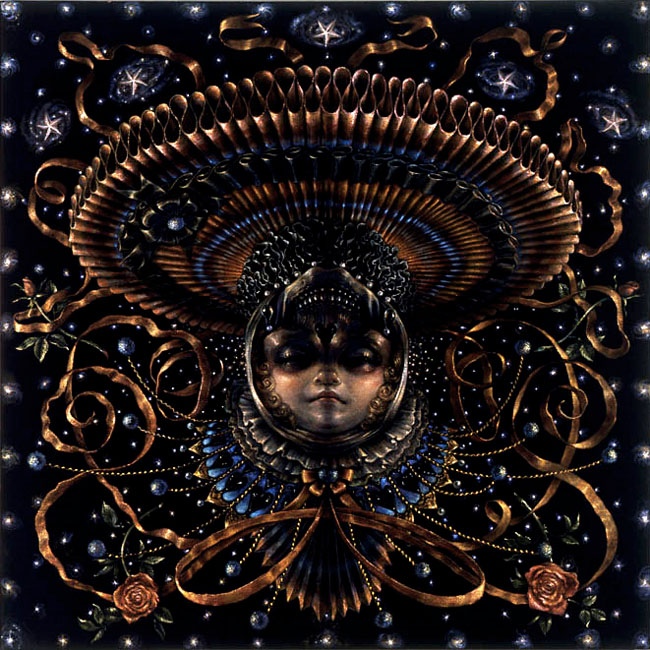
kaveryЭто серия работ называется Solar System (Солнечная система.) Ее нарисовал как часть другой, большой серии The Turning Heads художник
Thomas Woodruff. На картинах представлены планеты нашей солнечной системы. Каждую можно смотреть еще и в верх ногами. (Я добавила оба варианта)
Идеей таких картин перевертышей художника увлек его друг. у него диагностировали раннюю стадию болезни Альцгеймера , и от увлекся разными головоломками, чтобы тренировать мозг. Это вдохновило художника на такие вот перевертыши.
Вдохновением для серии о планетах послужила симфоническая сюита Густава Холста, сочинённая в 1914–1916 гг., которая называлась "Плпнеты", каждая ее часть посвящена отдельной планете. В 1930-м, когда открыли Плутон, Холст начал думать, стоит ли «дописывать» свою сюиту. В итоге решил оставить её в первоначальном виде. В 2000 году Колин Мэтьюс, специалист по творчеству Холста, дописал дополнение к сюите, симфоническую поэму «Pluto, the Renewer» («Плутон, обновитель»). Тогда же была исполнена обновлённая версия «Планет». Однако в 2006 году Плутон исключили из списка планет, так что теперь произведение исполняется исключительно в версии Холста. (Википедия)
Картины нарисованы на черном шелковом бархате. Идеи художник черпал в ар нуво, мандалах, геральдике и т.п.
Попробуйте угадать, какая из планет скрывается под каким номером. Порядок планет произвольный.
Как подсказка, картины называются как и части симфонического произведения. (Кроме Плутона, он ту есть, и еще есть картина Земля)
Mars, The Bringer Of War, «Марс, вестник войны»
Venus, The Bringer Of Peace, «Венера, вестник мира»
Mercury, The Winged Messenger, «Меркурий, крылатый посланник»
Jupiter, The Bringer of Jollity, «Юпитер, приносящий радость»
Saturn, The Bringer Of Old Age, «Сатурн, вестник старости»
Uranus, The Magician, «Уран, волшебник»
Neptune, The Mystic, «Нептун, мистик»
This project started with a simple idea: to see if the traditional visual parlor trick of the “upside-down head” could be taken to new pictorial heights while conveying emotional depth. The impetus for these works began when a close friend of the artist’s was diagnosed with early Alzheimer’s disease. The friend turned to puzzles to try to keep his mind sharp, and Woodruff began to create his own puzzles where a character can turn into another by a simple flip. Although the images are visually thrilling and might be considered silly at first glance, there is an underlying horror in the corners of the mouth, or in the cast of the eye. In Woodruff’s optical illusions, transformation may not always be wanted and the extra nose and mouth that we conceal on the top of our heads may be better ignored than recognized, and perhaps should never speak.
The Solar System: This part of the project depicting the planets used Gustav Holst’s 1918 orchestral work as inspiration. They are rendered on black silk velvet and motorized to turn. Part Art Nouveau, part van art, the paintings are heraldic, totemic, and mandalic. The characters are dressed to kill with ruffs and ribbons, feathers and flames, blossoms and beads. The two-faced nature of each character’s situation challenges our visual and emotional perceptions in new ways, while utilizing a visual vocabulary of optical tricks explored by many artists of all cultures and ages, including the prints of Kuniyoshi and the Joge-e masters of Japan, the witty drawings of Rex Whistler, the paintings of Arcimboldo, and the comics of Gustave Verbeek. http://thomaswoodruff.com/the-solar-system/about-the-solar-system/
Thomas Woodruff. На картинах представлены планеты нашей солнечной системы. Каждую можно смотреть еще и в верх ногами. (Я добавила оба варианта)
Идеей таких картин перевертышей художника увлек его друг. у него диагностировали раннюю стадию болезни Альцгеймера , и от увлекся разными головоломками, чтобы тренировать мозг. Это вдохновило художника на такие вот перевертыши.
Вдохновением для серии о планетах послужила симфоническая сюита Густава Холста, сочинённая в 1914–1916 гг., которая называлась "Плпнеты", каждая ее часть посвящена отдельной планете. В 1930-м, когда открыли Плутон, Холст начал думать, стоит ли «дописывать» свою сюиту. В итоге решил оставить её в первоначальном виде. В 2000 году Колин Мэтьюс, специалист по творчеству Холста, дописал дополнение к сюите, симфоническую поэму «Pluto, the Renewer» («Плутон, обновитель»). Тогда же была исполнена обновлённая версия «Планет». Однако в 2006 году Плутон исключили из списка планет, так что теперь произведение исполняется исключительно в версии Холста. (Википедия)
Картины нарисованы на черном шелковом бархате. Идеи художник черпал в ар нуво, мандалах, геральдике и т.п.
Попробуйте угадать, какая из планет скрывается под каким номером. Порядок планет произвольный.
Как подсказка, картины называются как и части симфонического произведения. (Кроме Плутона, он ту есть, и еще есть картина Земля)
Mars, The Bringer Of War, «Марс, вестник войны»
Venus, The Bringer Of Peace, «Венера, вестник мира»
Mercury, The Winged Messenger, «Меркурий, крылатый посланник»
Jupiter, The Bringer of Jollity, «Юпитер, приносящий радость»
Saturn, The Bringer Of Old Age, «Сатурн, вестник старости»
Uranus, The Magician, «Уран, волшебник»
Neptune, The Mystic, «Нептун, мистик»
This project started with a simple idea: to see if the traditional visual parlor trick of the “upside-down head” could be taken to new pictorial heights while conveying emotional depth. The impetus for these works began when a close friend of the artist’s was diagnosed with early Alzheimer’s disease. The friend turned to puzzles to try to keep his mind sharp, and Woodruff began to create his own puzzles where a character can turn into another by a simple flip. Although the images are visually thrilling and might be considered silly at first glance, there is an underlying horror in the corners of the mouth, or in the cast of the eye. In Woodruff’s optical illusions, transformation may not always be wanted and the extra nose and mouth that we conceal on the top of our heads may be better ignored than recognized, and perhaps should never speak.
The Solar System: This part of the project depicting the planets used Gustav Holst’s 1918 orchestral work as inspiration. They are rendered on black silk velvet and motorized to turn. Part Art Nouveau, part van art, the paintings are heraldic, totemic, and mandalic. The characters are dressed to kill with ruffs and ribbons, feathers and flames, blossoms and beads. The two-faced nature of each character’s situation challenges our visual and emotional perceptions in new ways, while utilizing a visual vocabulary of optical tricks explored by many artists of all cultures and ages, including the prints of Kuniyoshi and the Joge-e masters of Japan, the witty drawings of Rex Whistler, the paintings of Arcimboldo, and the comics of Gustave Verbeek. http://thomaswoodruff.com/the-solar-system/about-the-solar-system/